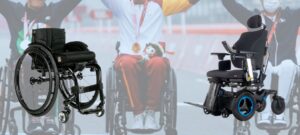
Sergio Garrote, Paralympic champion, trusts in Quickie

Sergio Garrote, Paralympic champion, trusts in Quickie

Regner® Editorial Team

Aiguaviva -

16/09/2024

PORTADA sergio garrote (1)

Gold medal paralympic champion

Sergio Garrote is a Spanish Paralympic champion in the time trial and a bronze medalist in the road race at the Tokyo 2021 Paralympic Games. With his sights now set on the Paris Paralympics in 2024, Sergio is preparing to compete on the 4th and 5th of September.

Sergio, a determined and exceptionally talented athlete, faced a life-changing challenge in the early 2000s following an accident at work. The spinal cord injury he suffered left him a quadriplegic, affecting all four limbs. After spending a year in the hospital, Sergio had to relearn how to cope with his daily life.

Fourteen years after his injury, cycling entered Sergio’s life and completely transformed it.

A fortuitous encounter

Sergio’s journey into cycling began when a friend introduced him a handbike. He instantly reconnected with the sport and immediately got a second-hand QUICKIE. From that moment on, Sergio started collecting international awards, accumulating more than 90 awards to date. Sergio credits cycling, and sports in general, with positively impacting every aspect of his life. With strict discipline and a relentless drive, he views the awards and recognition he has received as the ultimate reward for his hard work, exemplified by his gold medal victory at the Tokyo 2021 Paralympics after four years of intense training.

Quickie by Sunrise Medical

QUICKIE is a division of the German company Sunrise Medical, a global leader in wheelchair and power wheelchair solutions, operating in over 130 countries. REGNER has been a trusted supplier to Sunrise Medical since its inception, providing crucial mobility solutions for athletes like Sergio Garrote.

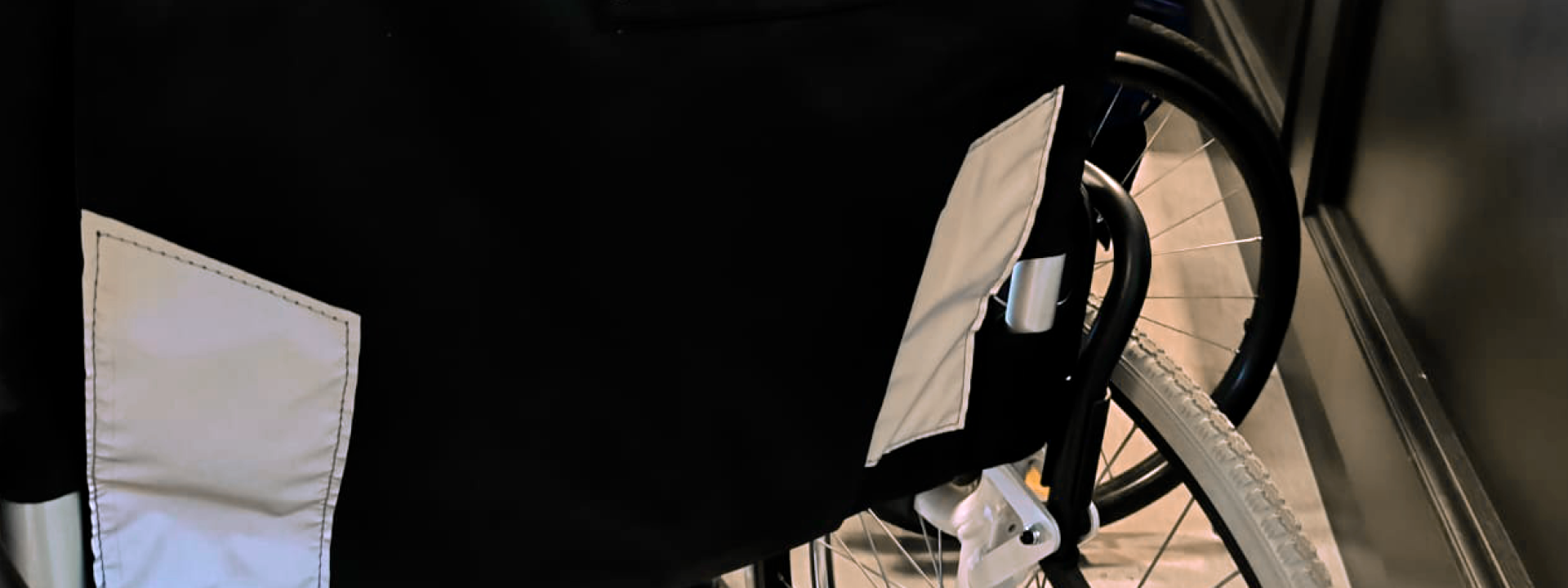
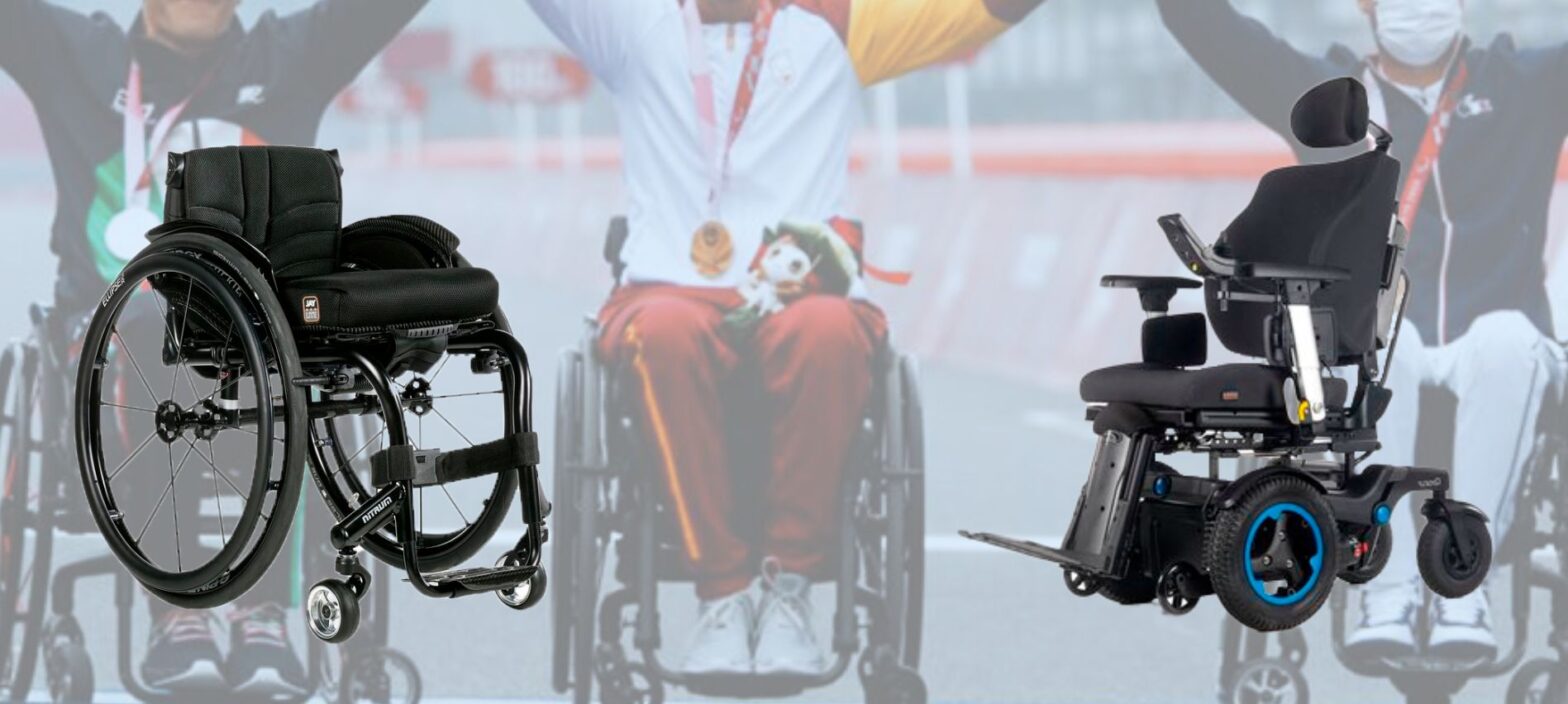
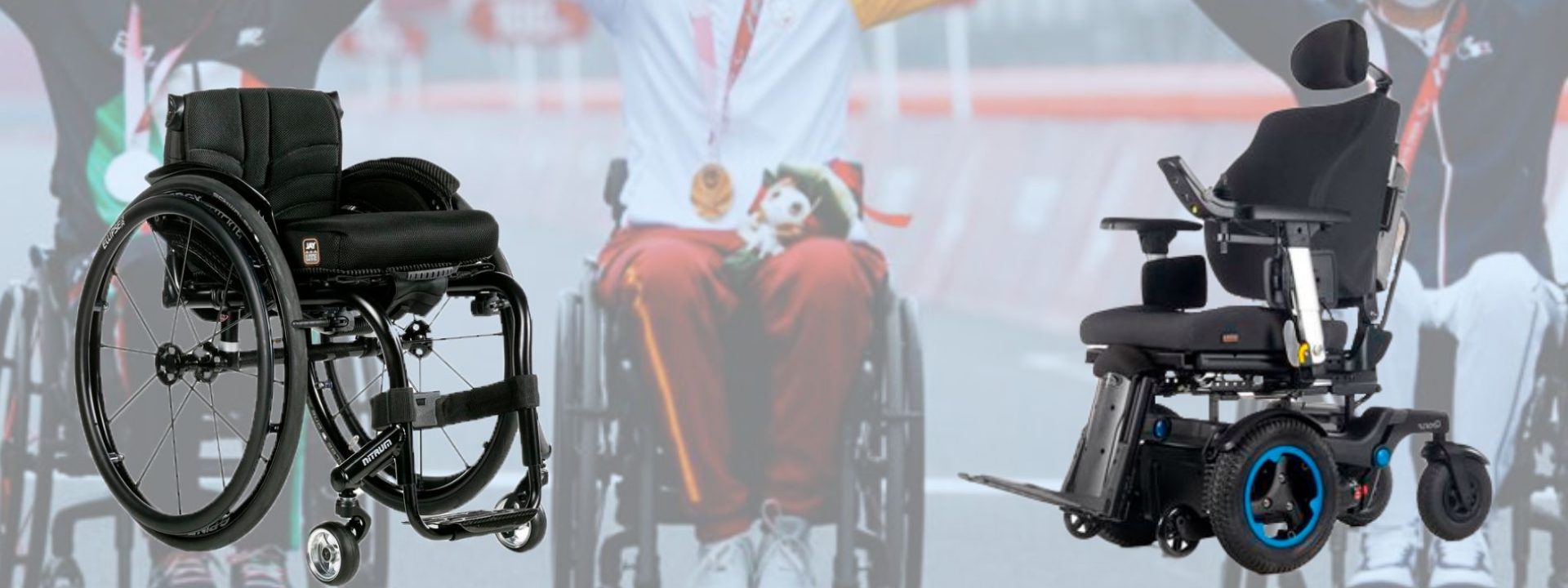
QUICKIE offers both electric and manual wheelchairs, tailored to meet the specific mobility needs of each customer. Sergio’s first introduction to handbikes was through QUICKIE’s manual wheelchair section.

REGNER's technologies and actuators in wheelchairs

REGNER’s expertise in motion control and mobility solutions has a significant impact across various applications. Our component development and motion solutions integration are integral to QUICKIE’s design process, ensuring seamless functionality in both manual and electric wheelchairs.

REGNER’s linear actuators, specifically the RA-90 and RA-91, are expertly integrated into these wheelchairs, offering the precision, reliability, and comfort required by Sunrise Medical. Both companies prioritize high-quality standards and a commitment to their clients.

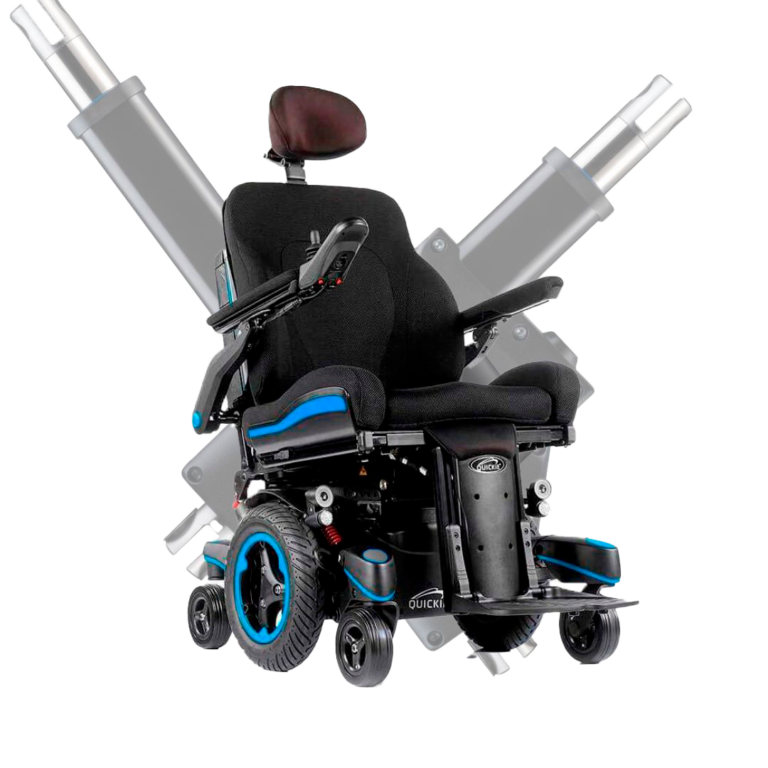
The RA-90 was specifically designed to be integrated into QUICKIE power wheelchairs, providing movement in the back and footrest systems as well as the anti-tip system. REGNER subsequently developed the RA-91, a high-performance linear actuator designed to improve power wheelchair support in the U.S. market. With a power rating of 4500 N, the RA-91 features an innovative stroke regulation system and highly advanced electronics, allowing it to quickly adapt to a variety of applications.

In addition to power wheelchairs, REGNER also provides solutions for manual wheelchairs, developing technologies and procedures that improve the comfort and performance of manual wheelchairs. As a key supplier to Sunrise Medical, and specifically to QUICKIE, we integrate various components into their manual wheelchairs, such as brakes, footrests and lighting.

Shared values

Our mission is to provide motion solutions that enhance everyday life, with a strong focus on the field of healthcare and medical aids. At REGNER, we are committed to driving innovation and design development for a wide range of devices that facilitate work, life and mobility in all types of situations.

REGNER’s commitment is rooted in innovation, particularly in cases like Sergio Garrote’s, where our systems and developments facilitate reintegration, improve mobility, and, in some instances, help achieve dreams and championship medals, as the Spaniard did.

Share this article!

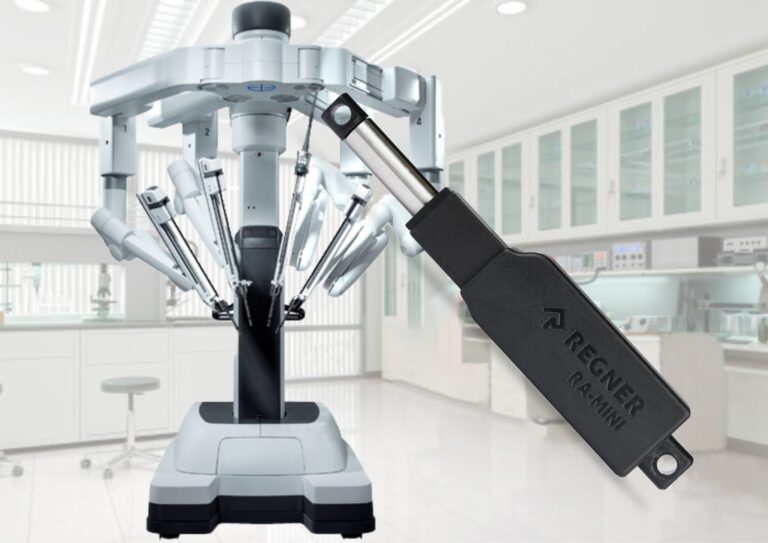
Aktormed revolutionizes laparoscopic surgery

Aktormed revolutionizes laparoscopic surgery

Regner® Editorial Team

Aiguaviva -

02/08/2024

Aktormed-SoloassistII

AKTORmed revolutionizes with its robotic arm

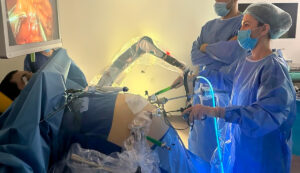
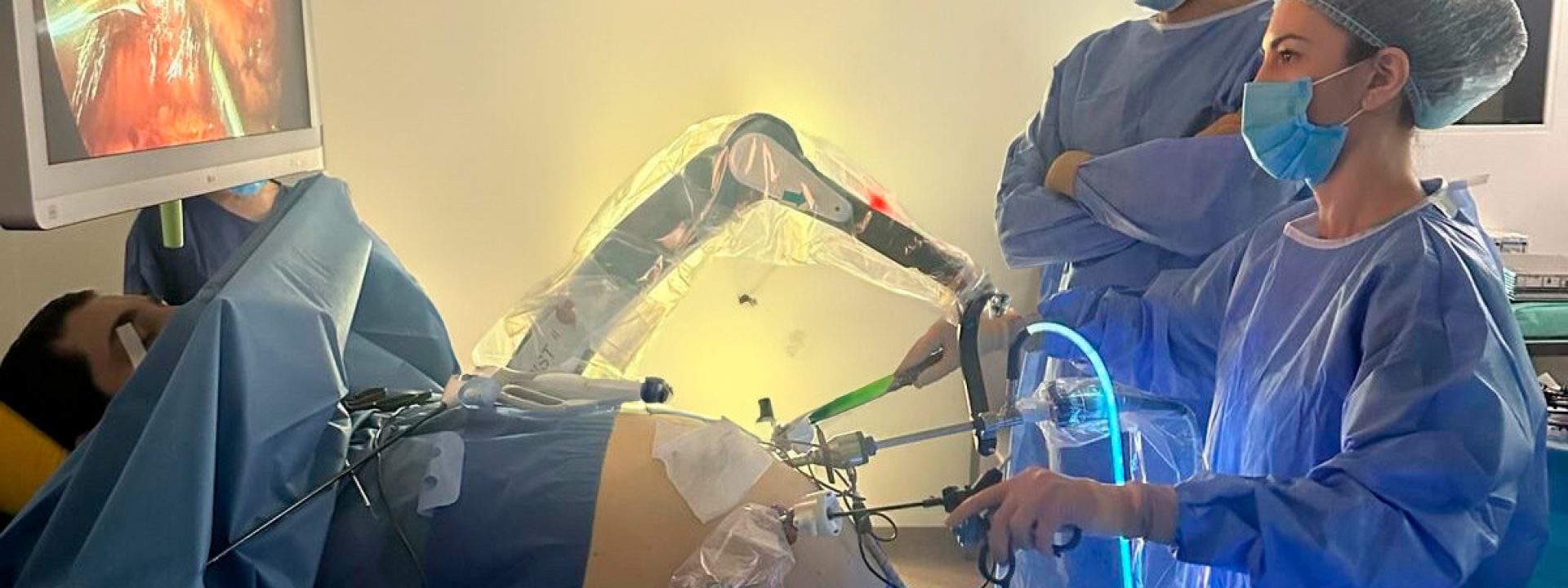
Regensburg, Germany-based AKTORmed has revolutionized the way surgeons work with endoscopes with its Soloassist II robotic arm. This device greatly facilitates minimally invasive surgeries, which have undergone a significant transformation over the past 15 years thanks to the transition from manual to robotic guidance.
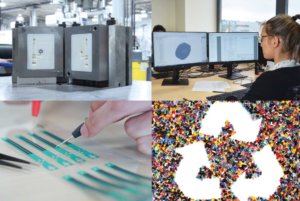
Challenges and solutions in endoscope guidance

Minimally invasive surgery, also known as “laparoscopic surgery” or “keyhole surgery” is performed through small incisions, using an endoscope to visualize the surgical area on an external monitor. Traditionally, this technique requires a second surgeon to guide the endoscope, which can be inefficient and prone to errors due to involuntary movements and communication problems.

The Soloassist II robotic arm: precision and stability

The Soloassist II robotic arm mitigates these problems by enabling precise and stable endoscope guidance with three degrees of freedom. This advance not only improves image quality by eliminating hand tremor, but also reduces the need for a second physician in certain operations, which is crucial in medically understaffed settings.

Voice control and automation in medical devices.

The voice-controlled version of the Soloassist II enhances operational flexibility, allowing the surgeon to operate the endoscope with simple voice commands and leaving both hands free for surgery. This system requires considerable processing power and memory, so AKTORmed opted for the Kontron Mini-ITX E38 industrial motherboard with Intel Atom processor, which offers the robustness and longevity needed in surgical environments.

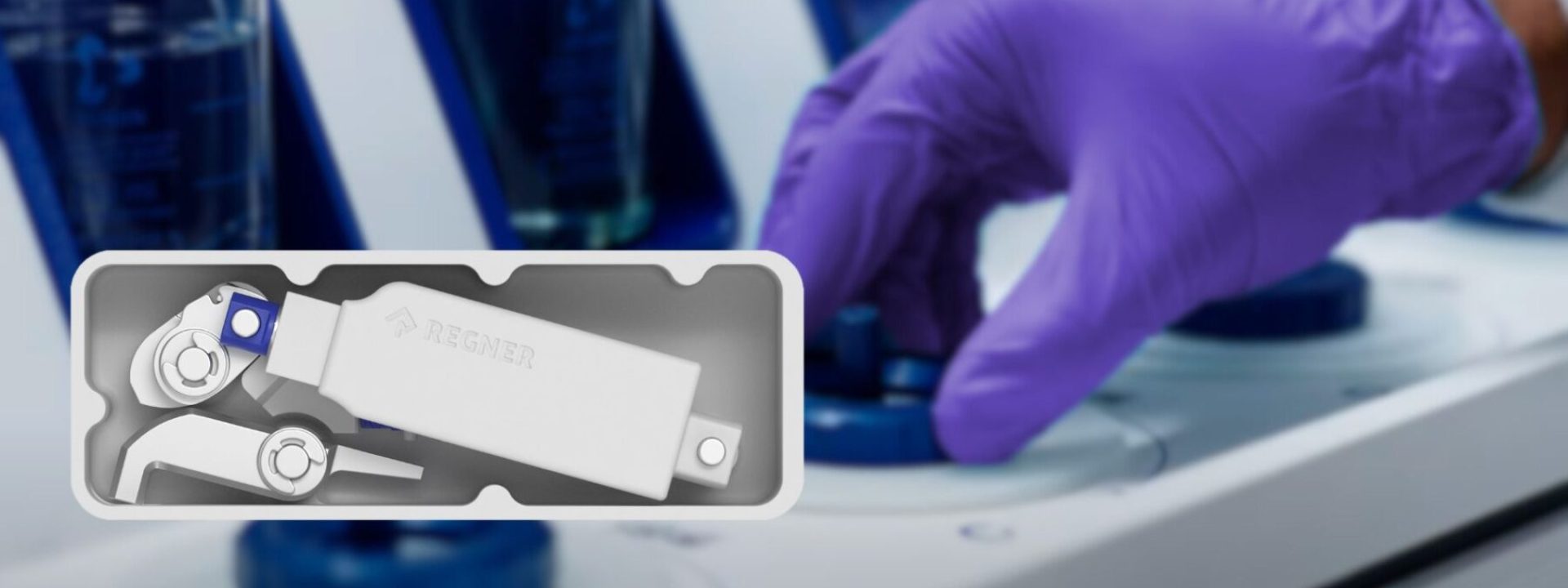
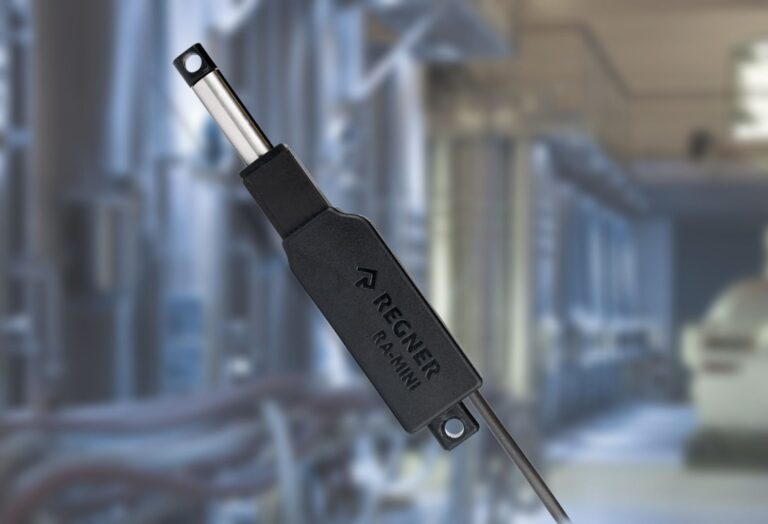
Automation in this sense plays an essential role in medical innovation and the improvement of common procedures in this field. Thanks to the linear motion of REGNER’s RAMINI mini actuator, different medical devices free professionals from repetitive tasks, speeding up their work and improving patient outcomes.

Motion control integration in medical devices ensures better results due to the reduction of human failure and miscommunication. REGNER works to make this motion smooth, safe and precise, ensuring the efficiency of surgical robots.

REGNER microactuators: a key component

REGNER’s RAMINI is undoubtedly the ideal choice for equipping surgical robots with motion control, automating their operation and ensuring precision and control at all times.

This mini linear actuator is easily incorporated into extremely confined spaces in the Soloassist II, the linear motion provides the versatility the device needs to properly assist the physician’s commands. These actuators are essential for the operation of medical devices thanks to their advanced technology and adaptability. REGNER designs and adapts its microactuator models to customize their features, achieving a perfect integration with its customers’ devices.

Innovations in these devices not only benefit surgeons, but also patients, significantly improving the accuracy and efficiency of surgical procedures.

Share this article!

Innovation and automation in laboratory equipment

Innovation and automation in laboratory equipment

Regner® Editorial Team

Aiguaviva -

03/07/2024

Diseño sin título (14)

In the dynamic field of chemical research and product development, efficiency and precision are essential.
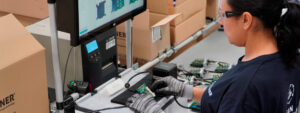
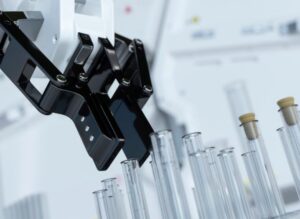
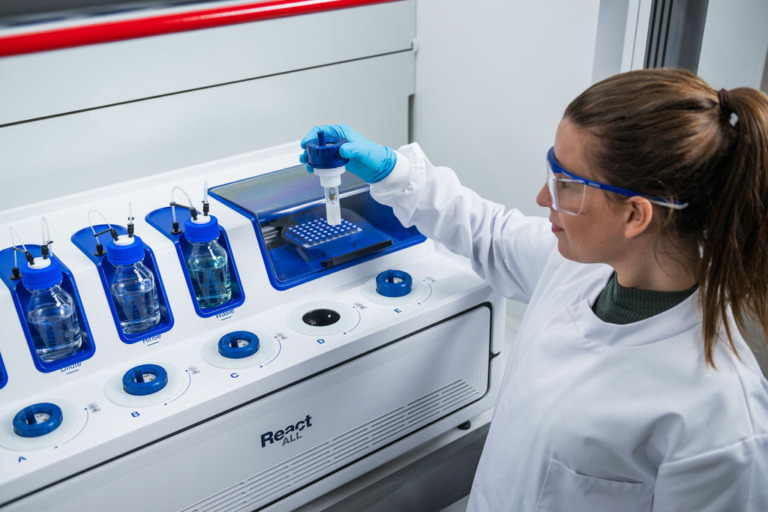
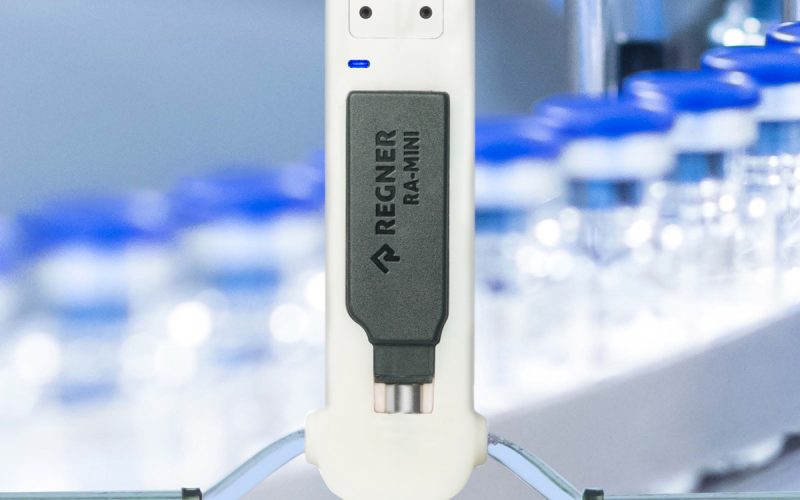
Scientists need tools that not only speed up their processes, but also provide them with reliable and reproducible results. This is where REGNER’s RAMINI PLAST actuator comes into play, a key component in Technobis’ revolutionary ReactALL system.

Integrated Automation

Considered the future of reaction screening, the innovative benchtop multi-reactor system with integrated sampling automation accelerates product development by up to five times. This automated system allows sampling, quenching and dilution directly into HPLC vials, improving experimental efficiency.

Designed specifically for chemical research and development, this screen connects complex robotic platforms with large, non-automated reactors. Its five independent reactors offer temperature control between -25ºC and 150ºC, and its high level of automation allows up to 76% of the experimental time to be accessible outside normal working hours. This saves scientists valuable time, allowing them to focus on other critical tasks.

State-of-the-art mixing mechanism

The state-of-the-art superior mixing mechanism ensures optimal mixing and homogeneous particle suspension throughout the working volume. This precision in experiments and sampling allows professionals to obtain reliable results, accelerating time to market and saving valuable materials and costs.

The Role of the RAMINI PLAST Actuator

REGNER’s RAMINI PLAST actuator is an essential component in the ReactALL system. With a perfect combination of power, ultra-compact design and high performance, this actuator is ideal for applications requiring tilt, lift, retract or thrust force up to 70N. Its powerful drive system provides the necessary power for demanding operations, making it the heart of this high-tech device.

Thanks to its integration into the ReactALL system, the RAMINI PLAST actuator contributes to precision and efficiency in experiments, enabling scientists to gain crucial insights from the earliest stages of research and speeding up product development time.

RAMINI PLAST is also notable for its durability and reliability. In research and development environments where equipment is subject to intensive use, as well, having components that resist wear and tear is critical. The actuator has been designed and tested to ensure a long service life, minimizing the need for frequent replacement and maintenance.

Essential component

REGNER’s RAMINI PLAST actuator, together with the ReactALL system, represents a breakthrough in the automation and efficiency of chemical research. With its compact design and high performance, this actuator not only improves the accuracy and efficiency of experiments, but also saves valuable time and resources, accelerating product development and taking innovation to new levels.

In short, RAMINI PLAST is more than just a component; it is an indispensable tool that propels research and development into the future, providing scientists with the ability to perform more complex experiments and obtain faster, more accurate results. Its integration into advanced systems such as ReactALL demonstrates its versatility and ability to meet the demands of modern research.

Share this article!

REGNER produces BMS for e-bikes impacting in energy efficiency

REGNER produces BMS for e-bikes impacting in energy efficiency

Regner® Editorial Team

Aiguaviva -

24/05/2024

bms-ebikes-efficiency

Battery-powered electric propulsion systems are gaining importance in the electric car industry, as well as in the e-bike industry. These vehicles rely on battery packs that must always be used with an optimal electronic protection circuit to prevent the cells from overcharging or over-consumption.

Designing the right circuit is vital to ensure battery longevity. For a high voltage lithium battery pack, a BMS or Battery Management System has to be developed to monitor the performance of each cell and ensure that the battery will work properly.

A BMS is an electronic system that allows centralized control of lithium battery packs, which are arrays of cells arranged in a matrix. It also monitors its status, reporting all data, controlling the environment and making it work in balance.

Main functions of the BMS

The main functions of the BMS include:

Improved battery performance and longevity, the BMS optimizes battery life and capacity, ensuring efficient and prolonged operation.

The second function is the improvement of safety and protection, the BMS prevents overcharging and excessive discharge, as well as monitors the battery temperature, prioritizing safety.

Improve battery efficiency and energy delivery: the BMS ensures optimal charging and discharging processes, resulting in efficient energy utilization and consistent performance.

It is also responsible for battery monitoring: it estimates the state of charge (SoC) and state of health (SoH) during charging and discharging.

And last on the list, ensure better real-time monitoring of battery status by improving battery management capabilities.

BMS components

A BMS system consists of two components:

  • Hardware: this first one comprises the set of battery cells organized in a matrix and the management controller.
  • In the second part, we find the Software, which includes a dedicated program that uses a communication protocol.

Both components are encapsulated in modules connected to the cells by a complex network of wires.

The battery protection circuit module is a critical component of the BMS.

It consists of a balanced circuit together with additional circuits designed to protect the battery against overcharging, excessive discharging and high temperatures. These protections are essential to ensure safe and reliable battery operation by preventing the battery from operating outside its safe limits. The protection circuit module constantly monitors the battery voltage, current and temperature and takes corrective action if any of these parameters exceed safety limits.

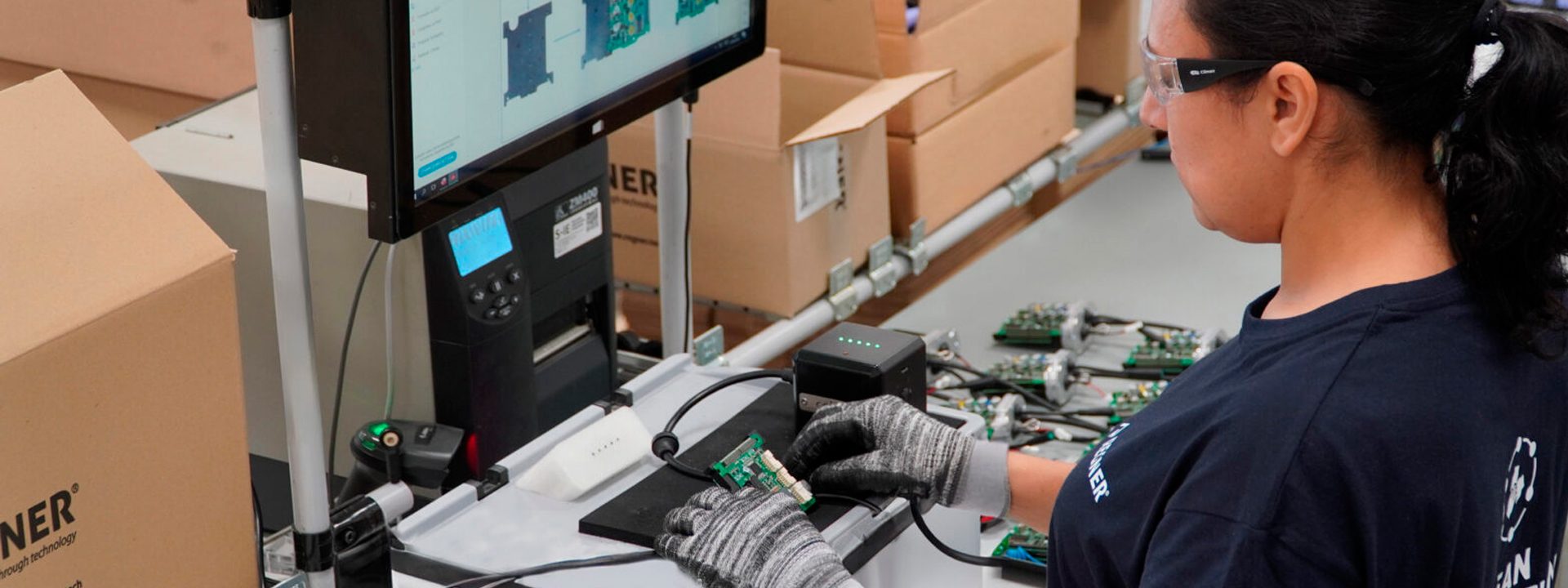
Designing and building a custom BMS requires advanced knowledge in PCB design, electronic engineering and programming. Therefore, it is crucial to have the support of an experienced supplier.

REGNER's expertise in e-mobility solutions

There are several factors that our engineers consider when testing and selecting lithium-ion cells:

Starting with capacity/energy, which refers to the amount of charge a cell can store and deliver at a given voltage. Expressed in ampere-hours (Ah) or watt-hours (Wh). More energy translates into more autonomy for the e-bike.

The discharge rate, which is the rate at which a cell can supply current at a given voltage, measured in amperes (A) or C-rate. A higher discharge rate provides faster acceleration and better uphill performance.

Third, energy density, the energy that a cell can store per unit volume or mass. Measured in watt-hours per liter (Wh/L) or per kilogram (Wh/Km). The higher the density, the lighter and more compact the batteries can be.

The cycle life, which is the number of complete charge and discharge cycles before the capacity drops below 80% of its initial value. Longer life cycle means longer durability.

Finally, our engineers pay special attention to safety, which refers to the ability of a cell to resist damage, fire or explosion. Safety depends on the chemistry and structure of the cell, along with the built-in protection mechanisms.

How do we guarantee quality?

Taking all these factors into account, our engineers subject the electric batteries to a series of quality tests to ensure their safety, performance and durability, including:

  • Life cycle testing, which consists of subjecting BMSs to continuous loading and unloading cycles to simulate actual usage and evaluate their capacity.
  • Electrical and mechanical safety tests, the former to verify that the battery can operate safely under normal and abnormal conditions, and the latter to evaluate the strength and durability of the battery casing and mounting systems.

REGNER and its commitment to safety

At REGNER, we are aware of the risks associated with lithium-ion batteries, such as overheating, short circuits and fires.s. For this reason, at our Aiguaviva plant we have implemented rigorous safety measures and properly trained all personnel.

The production of BMS for electric bicycles requires careful execution to ensure optimum performance, safety and durability. The entire process must be smooth and uneventful, resulting in the delivery of the highest quality products.

Share this article!

World’s lightest sanitary elevator arrives to the market

World’s lightest sanitary elevator arrives to the market

Regner® Editorial Team

Aiguaviva -

22/04/2024

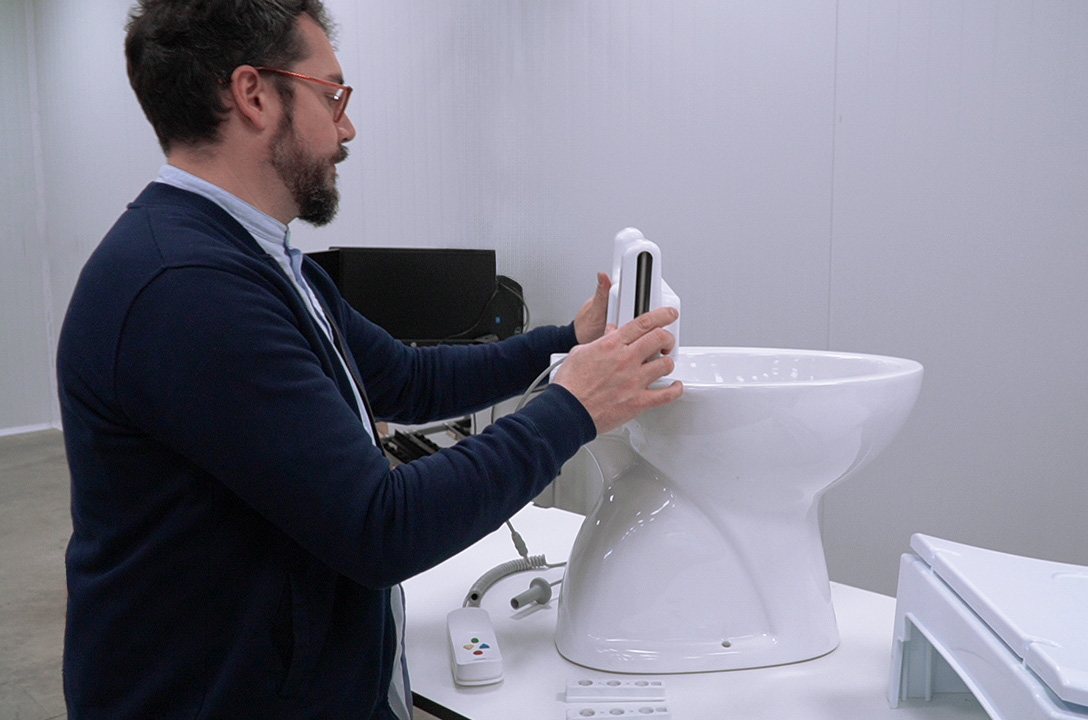
Drive Medical, manufacturer of bath, shower and WC solutions, launches the world’s lightest electric sanitary elevator, weighing less than 4 kilograms, thanks to REGNER‘s RA42 actuator technology. This medical device features a record weight compared to previous systems on the market, characterized by their bulky mechanism thanks to the integration of an actuator designed specifically for this function, which enables the raising and lowering movement and which is fully integrated inside the sanitary device for people with reduced mobility.

Drive Medical and REGNER's union

The cooperation between Drive Medical and REGNER, specialist in electric linear actuators, started in the winter of 2023, when the manufacturer of solutions for improving the lives of people with reduced mobility had a new product in mind an electronic system that would help people with reduced mobility in everyday situations at home, as well as in hygiene control.

This project was designed to address the daily needs of people who do not have full control of their mobiliy, making routine tasks such as using the toilet, showering or washing difficult. When it comes to going to the toilet, it triggers uncomfortable situations, as these people may fall down on the seat because they do not have a support at the right height, or it may be difficult for them to get back up again.

Innovation and project execution

In the last few months, aware of this problem, Drive Medical’s engineers, together with the team from REGNER have worked hard to conceive a light electronical device, smartly designed that would solve the problem of the current market, and would also be integrated to the seat, with which provided with movement, the action of accommodating and incorporating into the toilet is made possible.

Once the focus was pointed on solving these charactersitics, they designed an ultralight electrical device, reduced in size compared to its predecessors. Its smart design is integrated in the seat, and with the given movement, it allows the easy and effective accommodation and incorporation.

For Marc Sarquella, senior R&D engineer at REGNER, this new development is a milestone:

  • Thanks to RA42 actuators contained in this system, an up and down movement is produced, which follows the actual movement of the user when getting in and out the seat, prventing people with reduced mobility from dropping into the seat, and helping them and giving them a safe support when incorporating and standing up, thus avoiding adverse movements. There’s no such system in the market“.

RA42

The RA42, REGNER’s latest addition to its product porfolio, is the linear actuator responsible of providint this clean and safe motion offered by the medical aid, integrated elegantly into the device, the actuators cause the lifting and lowering motion as soon as it is remotely activated.

The company’s engineers took into account in detail the characteristics required by the application so that the users would not suffer any adverse movement and this system would guarantee their safety and well-being, stating that there is no other system of this type on the market that is capable of performing the same function.

The RA42 linear actuator marks the beginning of a new era of lightweight electric systems, as it weighs less than 4 kg, making it easy to handle.

Perfect combination of design and comfort

Drive Medical’s engineers wanted a solution that could be easily integratedinto the toilet, that could blend in with the toilet, so that people with this type of difficulty could maintain their autonomy in a safe and comfortable way

As is well known, there are different solutions on the market, but they all fall short of the needs of users, and are considered not very advanced, even deficient in terms of mechanism, weigh and the aggravating factor that they take up a lot of space.

The result of the work of the engineers of both companies is an electric toilet elevator with a perfect balance between weight, design and usability that offers the feeling of being fully integrated into the toilet and is suitable for any type of WC. Moreover, the battery is invisibly installed inside the device. Its control system guarantees smooth and reliable movements.

Drive Medical, manufacturer of advanced home medical devices

For over 20 years , Drive Medical has been synonymous with high technology. Its mission is to lead the world with innovation and healthcare solutions that improve people’s lives. At REGNER, we are proud to work alongside with this company’s engineers, with the goal of contributing to these type of systems innovation ., where motion control has a very promising place in terms of improving and designing new products that are more in line with people’s current situation.

The medical device market is experiencing a very significant increase in investment and innovation in recent years. At REGNER we are focused in research and development of these devices, applying our know how in motion control.

Share this article!

REGNER and Dietz for an unlimited mobility

REGNER and Dietz for an unlimited mobility

Regner® Editorial Team

Aiguaviva -

22/03/2024

editada 3

This March we have made the partnership between Dietz and REGNER official. During our last trip to North Brabant, both companies shared their interest in starting a new project together.

The goal, unlimited mobility with the design of the new Dietz electric wheelchair for more independence.

Progress in electric mobility

People who use electric wheelchairs are facing different situations and obstacles on a daily basis that limit, among other things, their social life, their access to some places due to the limitations of the wheelchair as well as the limitations of their movements. Many of these people lack independence and at the same time suffer from the causes of lack of physiological stimulation.

To overcome all these shortcomings, Dietz is designing a wheelchair that will represent a technological breakthrough and improve the well-being of users of these mobile devices.

This will be aimed at the development of medical equipment, where it plans to study the production of new components for the electric chair sector, in order to improve and innovate in the type of advanced motion control solutions.

REGNER has been working on the design and production of a series of devices focused on the healthcare sector, specialising in the development of medical aids. Given the experience in this type of devices and their integrations, the collaboration between these two entities made sense by sharing ideas and projects.

Opportunities and growth in medical aids

These innovative systems aim in a simple way to facilitate and improve the quality of life of people with different needs. They also represent an opportunity to improve the type of solutions already in place, and, in turn, a good opportunity to devise new ones.

Considering the different applications and functions that medical devices can have, understood as any device designed to diagnose, prevent, monitor, treat or alleviate different diseases, alongside Dietz, we are opening up a whole range of possible integrations to medical devices, which will motivate the design of different solutions.

REGNER’s engineering division has extensive experience in integrating devices and parts, as well as designing components, which improve the function and mobility of wheelchairs and other aids, thus advancing these much-needed applications for people with mobility impairments.

Dietz has a wide range of devices for people with these types of mobility difficulties, ranging from walking aids to hygiene instruments, with a special focus on electric wheelchairs.

Needs analysis and dynamic solutions

Dietz aims to support people with physical limitations in their daily participation by offering them greater mobility and comfort, thus strengthening their individual quality of life. The companies of the DIETZ GROUP offer various mobility aids as well as intelligent service components for rehabilitation and care.

REGNER is growing in terms of medical aids, focusing on discovering unmet needs, analysing and proposing possible devices, such as our latest addition in medical aids, the RA42 lift. This integration has been designed to facilitate the movement of incorporation and accommodation that the user makes when having to sit down and stand up. This device is equipped with REGNER’s actuators, but it does not integrate a particular actuator, but this medical aid is manufactured according to the need, therefore, the actuators vary at the request of the purchaser.

This dynamic assistance is the result of a deep needs analysis the current technical aid systems were analysed, which were too large and bulky, resulting in the need for a more or less wide space arrangement and a complicated installation of the device parts.

The RA42 REGNER lift solves the problem of space, as this solution, much more compact than its predecessors, does not require any extra space other than the seat itself. It is also possible to integrate several of our actuators in its mechanism, adapting the movement to the patient’s needs and personalising the service offered by the device to the maximum.

Shared vision

REGNER and Dietz’s common goal is to grow in this sector by improving existing solutions with new technology and new components. Using REGNER’s motion control know-how together with Dietzes designs to create together a new generation of high-tech power chairs.

Share this article!

Technological innovations in medical devices: actuators in rehabilitation systems

Technological innovations in medical devices: actuators in rehabilitation systems

Regner® Editorial Team

Aiguaviva -

21/02/2024

HOH BONA

In the world of medical technology, advances are redefining healthcare and improving patients’ quality of life.

Two crucial areas in this field are control systems and actuators, essential elements in the production of medical devices such as prostheses and diagnostic equipment.

In this article, we will explore how these technological innovations are transforming the way we address medical challenges.

Prosthetics: moving towards personalized mobility

Modern prostheses are not simply mechanical replacements, but technological extensions that integrate intelligently with the human body. Electric actuators play a crucial role in providing precise and controlled movements These actuators are connected to control systems, which act as the bridge between the prothesis and the user.

Control systems are capable of interpreting the user’s signals, captured by sensors such as electromyograms (EMG), to translate them into specific movements of the prosthesis. This level of customization allows users to modulate the strength, speed and position of the prosthesis, adapting it to different daily tasks and activities. Thus, technology not only restores functions, but also enhances the autonomy and quality of life of those who use it.

Diagnostic Equipment: Accuracy and Efficiency in Medical Diagnostics

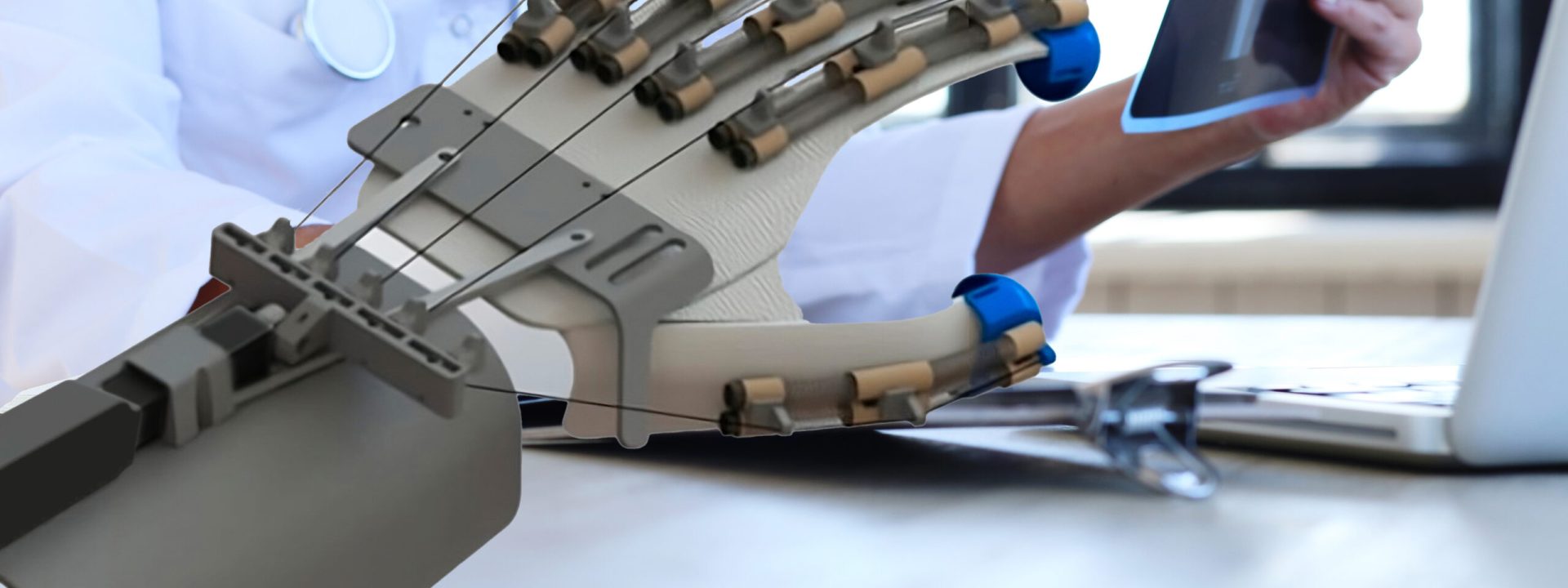
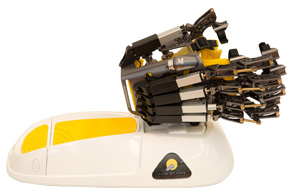
Devices such as the Hand of Hope (HOH) stand out for their innovative approach, focused on leveraging technological advances to create not just a rehabilitation tool but a comprehensive solution incorporating devices such as linear actuators

An outstanding feature that drives the efficiency of the HOH is the presence of REGNER linear actuators They play a crucial role in facilitating precise movements tailored to the individual needs of the patients.

The hand is placed on the back of the damaged hand, with two surface sensors attached to the extensor and flexor muscles of the arm, to detect surface electromyographic (EMG) signals for active participation during exercise.

The EMG signals are processed so that the patient can see the movement of the muscle, where the EMG electrodes are positioned, it should be noted that there is no electrical current applied to the patient.

The HOH therapy device is intended for use in patients who need hand or forearm rehabilitationmaking it easier for them to begin to contract the muscle voluntarily, to have motor control and coordination, it also helps them with muscle relaxation, to have motivation to improve, control of abnormal muscle activity and have continuous reinforcement of correct responses

Future prospects and continuous innovation

As medical technology advances, the integration of linear actuators into devices such as the Hand of Hope continues to evolve, the ability of these actuators to provide controlled movements tailored to the specific needs of patients underscores the importance of customization in the rehabilitation process.

In this case, REGNER contributed his expertise in control systems, integrating his RA-MINI ALU, a perfect combination between power and ultra compact design. The RA-MINI ALU is perfect for those applications, such as HOH, where tilt, lift, retract and thrust forces are required, in a very limited space.

The customization fo our control systems is very important to us, considering that technological innovation is a priority in REGNER, where we listen and understand the projects of each client, motivating us to innovate and contribute to the development of technological advances.

Share this article!

How do we integrate linear actuators into projects like Stolt Sea Farm?

How do we integrate linear actuators into projects like Stolt Sea Farm?

Regner® Editorial Team

Aiguaviva -

26/01/2024

foto blog noticia

Stolt Sea Farm, founded in 1972 in Norway and dedicated to agriculture and the production of turbot and sole, will open facilities in A Coruña with more than 28,000 m² and an R&D center.

The project

The total investment made by the company is 44.5 million euros, to build a turbot and sole processing plant. The project itself has been declared as strategic by the Galician Government, since according to the Xunta, the R&D center will carry out projects and research together with other agents of the community.

Due to its high production capacity,the facilities will have more than 28,000 square meters of space on six plots, including a processing center, an auxiliary building and a third building for offices, as well as a warehouse dedicated to logistics and another auxiliary building.

Jordi Trias, CEO of the company, sees its production growth plan going at great speed, which would reach 23,000 tons of turbot and sole per year by 2035.

Where motion control starts

This type of installation has very sophisticated control systems to ensure maximum safety in any environment. Especially, when water has to be treated, there are different options to maintain control and monitoring in order to guarantee the quality and to ensure future inconveniences.

When it comes to water controlespecially if water has to be treated, there are different options for control and monitoring in order to guarantee quality and ensure future inconveniences. identify errors and maintain an up-to-date report on their performance and statusbeing able to alarm if necessary.

Motion control is integrated into these systems to facilitate the task of filtering water, air and medical surfaces through ultraviolet light, which is the name used to describe electromagnetic radiation with wavelengths between 100-400 nm.

This type of water filtration is characterized by being composed of different parts, one of them, a sensor or monitoring system, which regulates the intensity of the UV dose, and is also used as a failure alarm in the bulbs (UV lamps).

How has REGNER integrated these systems?

REGNER has a long experience working with filtration systems, which purify and rid the water of unwanted microorganisms. The RAMINI PLAST mini-actuators are integrated in these devices that guarantee disinfection and, by means of their drive, allow control and automation. The RA-MINI PLAST is a very small size actuator which has a speed of 5.9 mm/s and a force of 45 N, with a stroke of 10 mm, this actuator adapts to the most limited surface, without losing its efficiency.

Manufacturers of advanced water disinfection systems prefer REGNER’s mini actuators precisely because of their power and reliability. Where other actuator manufacturers cannot reach, as they offer larger devices, REGNER does, offering mini actuators that solve housing difficulties and are easily integrated into innovative technologies.

Motion control in medical technology has also revolutionized the performance of procedures and treatments. Safety and regulatory compliance are paramount, ensuring that the benefits of medical technology safely reach patients around the world. Constant evolution and attention to safety will continue to be key aspects of the future of motion control in healthcare, setting a path towards safer and more efficient clinical practice.

Share this article!

Safety and regulations in motion control in medical technology

Safety and regulations in motion control in medical technology

Regner® Editorial Team

Aiguaviva -

12/12/2023

adjustable stand microscope in clinic

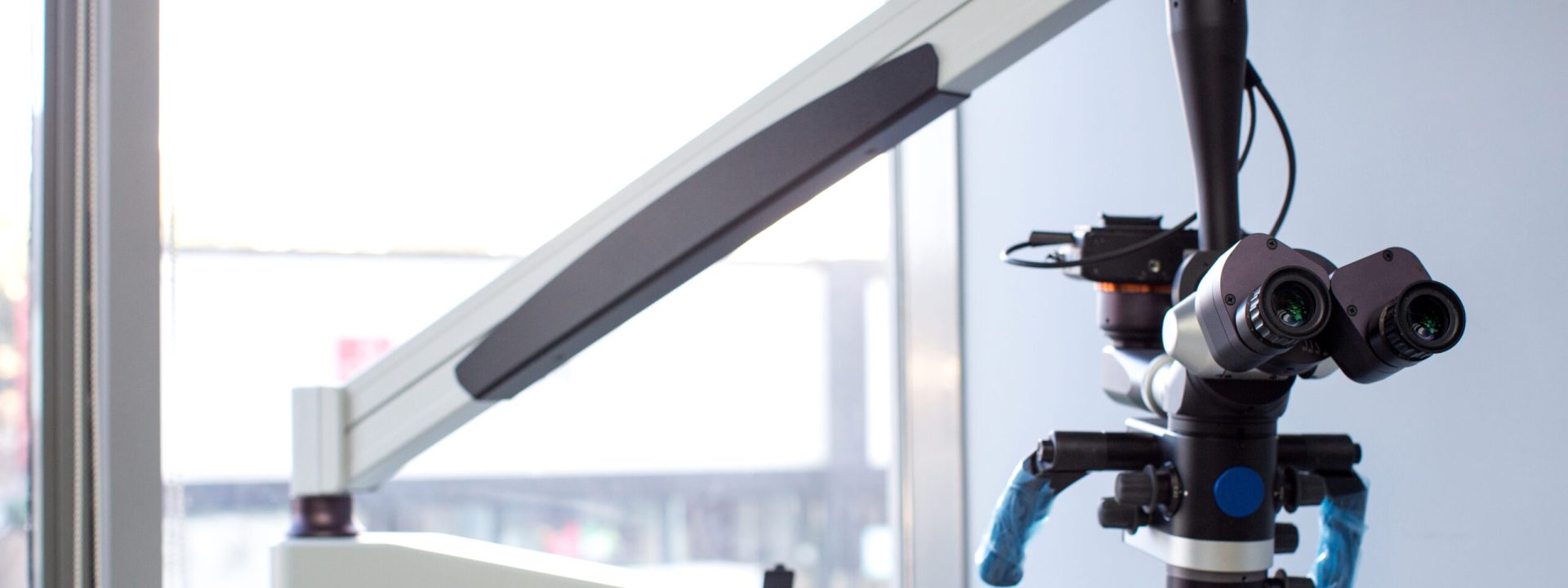
Motion Control plays an essential role in advances in medical technology, enabling precise motion control in devices used in modern procedures and treatments However, the integration of these systems in medical environments requires meticulous attention to safety and compliance with established regulations.

Safety and regulations in motion control

Patient safety is the top priority in medical device design. This implies the implementation of systems that guarantee precise and controlled movement, minimizing any risk to the patient or medical staff. Linear actuators, essential components in this system, must meet rigorous safety standards to ensure a hazard-free clinical environment.

Regulatory agencies, such as the FDA in the United States and the EMA in Europe, establish detailed guidelines to ensure the safety and efficacy of medical devices. For Motion Control, these regulations cover everything from design to implementation and ongoing maintenance, ensuring the quality and reliability of these systems in the medical field.

Linear Actuators: Pillars of precise Motion Control

Linear actuators play a central role in motion control, providing precise linear motion in various medical applications. Their design and operation must meet specific standards to ensure optimal and safe performance. The incorporation of feedback systems and emergency protocols are key aspects to ensure a quick and safe response in any clinical situation.

Practical applications of actuators range from the manipulation of medical instruments to the controlled administration of drugs, they can contribute in different ways in the medical field. Their ability to provide precise and repeatable movements makes them critical elements in systems such as robotic arms used in robot-assisted surgery.

REGNER’s linear actuators are essential components for motion control in the field of medical devices and are used by medical device manufacturers all over the world.

With almost 30 years of experience REGNER is constantly developing new technologies to improve the safety and performance of its products, in particular focusing on the development of linear actuators using artificial intelligence to improve the accuracy and efficiency of medical procedures.

The company’s products are already at work in various applications, such as the manipulation of surgical instruments, enabling surgeons to perform procedures with greater precision. REGNER also applies actuators in controlled drug delivery and rehabilitation systems to ensure proper recovery of movement.

Challenges and future of motion control in medical technology

With the constant advancement of medical technology, new challenges arise in the implementation of motion control. The integration of artificial intelligence and machine learning raises additional ethical and safety issues that require continued attention. Collaboration between manufacturers, regulators and healthcare professionals will be crucial to effectively address these challenges and ensure ethical and safe development.

RAMINI-DOSING-SYSTEM

Motion Control in medical technology has also revolutionized the performance of procedures and treatments. La seguridad y la conformidad con regulaciones son fundamentales, garantizando que los beneficios de la tecnología médica lleguen sin peligro a pacientes en todo el mundo. Constant evolution and attention to safety will continue to be key aspects of the future of motion control in healthcare, setting a path towards safer and more efficient clinical practice.

Share this article!

Automation: the power force in biomedical research

Automation: the power force in biomedical research

Regner® Editorial Team

Aiguaviva -

20/11/2023

pexels-pavel-danilyuk-8438951

Automation in biomedical investigation; promoting research instead of wasting valuable time. Biomedical investigation is a nonstop growing field, driven by the research for disease solutions. The improvement of treatments and the deeper comprehension of the human body. In this discovery process, automation performs a crucial part, as it helps medical investigation laboratories accelerate their experiments and progress in the reach for quality solutions. 


Automation and motion control are key tools that have turned to be essential.

Automation: the power force in biomedical research

Referring to the implementation of robotic systems, controllers and actuators carry out repetitive but precise tasks, that are essential in the laboratory. This allows concentration in most valuable tasks, such as experimental design and result interpretation, while boring and repetitive activities are done by machines. Let’s highlight some of the most important aspects of automation in biomedical investigation.


Sample preparation and processing are such difficult steps in research. Pipetting automation, centrifugation and microliter plate handling, for example, allow high throughput testing to be performed consistently and accurately.  


In high performance tests, automation is essential, as it includes the evaluation of thousands of compounds looking for biologic activity, being extremely useful to discover new medicines or therapies.

Biomedical investigation often requires conducting experiments in specific temperature and humidity conditions. So to carry them out they use automation systems that can regulate and control these conditions constantly, reducing the variability in results. 


In data analysis, automation doesn’t just involve experiments execution, it also includes data analysis. Software automated algorithms can process a huge data set efficiently, identifying patrons and tendencies which could easily be ignored in manual analysis.

Tailored motion control solutions for biomedical research

Motion control systems are used to guide and coordinate robot operation, robotic arms, pipetting devices and other equipment. Some of the top applications are:


Sample manipulation, where robotic arms with precise actuators are used to handle samples, which guarantees that they are placed accurately in the desired locations in the Petri dish, microliter plate or others.

pexels-pixabay-256262

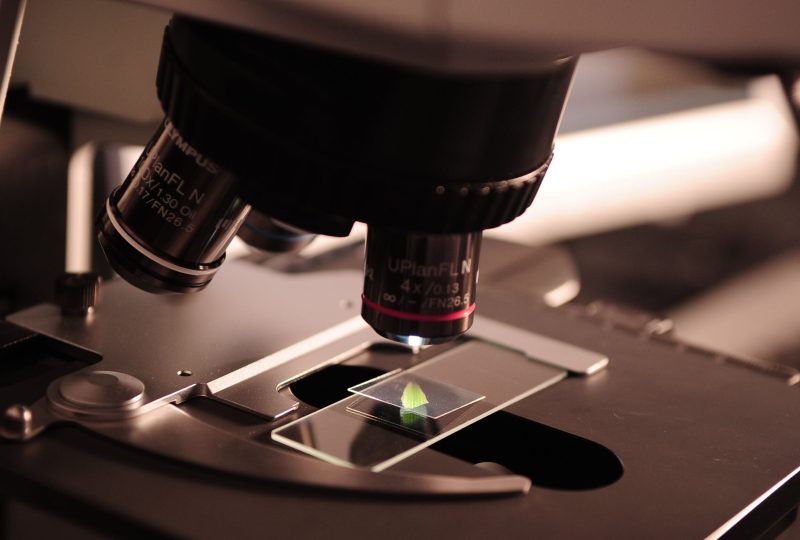
We also have high resolution microscopy; here, motion control systems allow the precise movement of microscopes, which is crucial for providing detailed images in cellular and tissue studies. 


In liquid transfer, we need the precision of motion control systems to reduce the cross contamination, improving accuracy in experiments.


We also include compound screening, when we look for new medicines, motion control systems guide screening platforms that allow the fast evaluation of thousands of compounds, looking for biological activity.

Going forward in medical science

Motion control and automation have changed the functioning of research in the biomedical field, accelerating the velocity in which experiments are done, and improving the reproducibility of the results. This means significant improvements in the understanding of diseases, therapies development and the identification of new medicines. 

Share this article!