

What is motion control and why is it so important for medical technology?
Regner® Editorial Team
Aiguaviva -
18/10/2023
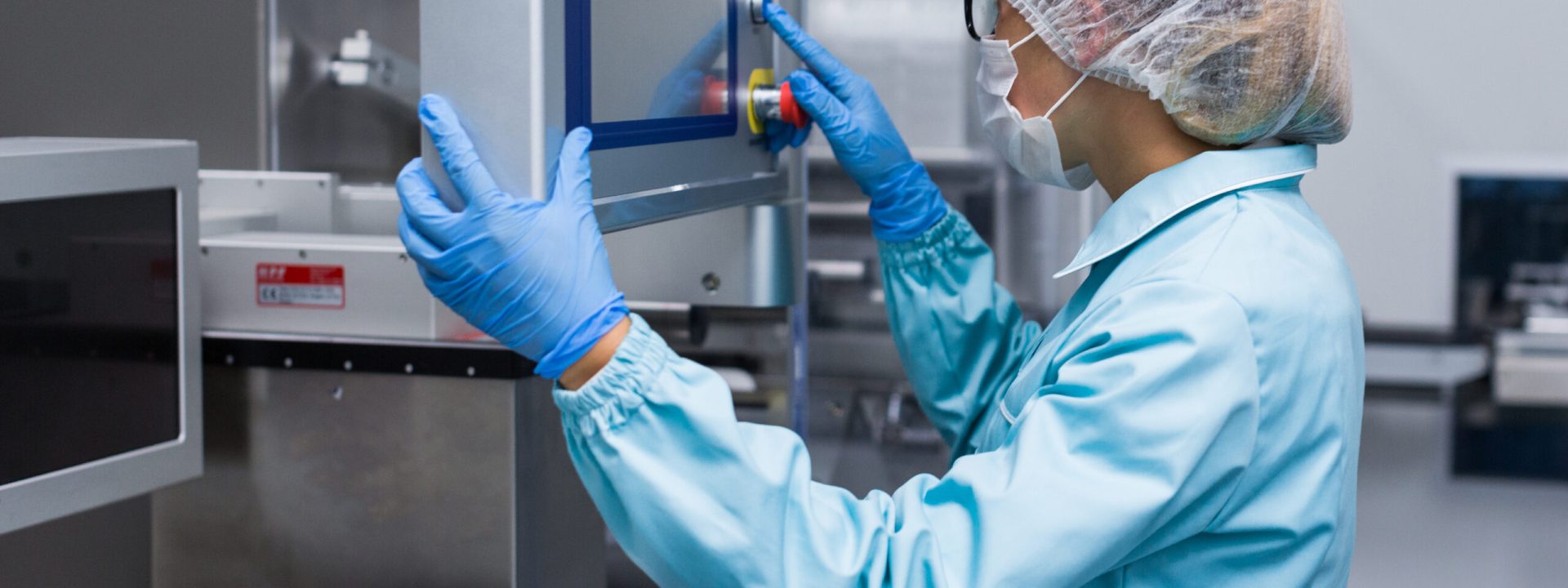
Motion control in medical technology and life sciences has been a key catalyst for numerous advances and improvements in patient care and research. We will now take a closer look at some of the highlights of this integration:
In which devices can we apply motion control?
Starting with diagnostic equipment, within this subsector, we find Magnetic Resonance Imaging (MRI) and Computed Tomography (CT): These machines rely heavily on motion control systems to obtain sharp images. Precise and controlled movement of the patient and internal equipment is crucial to obtain clear and detailed images.
And on the other hand, we find ultrasound: Ultrasound systems often employ motion control techniques to steer and adjust the transducer, allowing detailed imaging of specific areas of the body.
We also find robot-assisted surgery or robotic surgery, such as that offered by systems like the Da Vinci, which uses motion control techniques to perform surgical procedures with millimeter precision. These systems minimize invasiveness and improve accuracy, which can lead to shorter recovery times and fewer postoperative complications.
Prosthetics and orthotics: in the creation of advanced prosthetic limbs, which can respond to the user’s neuromuscular signals, relies heavily on motion control. These prostheses can mimic natural movements thanks to a combination of precisely controlled sensors and actuators.
Next are drug delivery devices: Infusion pumps and similar devices require precise and controlled drug delivery. The motion control in these devices ensures that patients receive the right dose at the right time.
In laboratory equipment and automation within research and diagnostic laboratories, motion control is essential in systems that perform tasks such as liquid pipetting, DNA sequencing and automated sample analysis. These systems require extreme precision to avoid errors and guarantee reliable results.
And the last sub-sector we are going to mention is rehabilitation and physical therapy which may be better known. In rehabilitation and physical therapy there are devices that use motion control to guide patients through specific exercises, adapting resistance and movement according to the patient’s individual needs.
How does medical technology improve with motion control?

In conclusion, we find that motion control has transformed medical technology and life sciences, enabling unprecedented precision, efficiency and adaptability. From improving the quality of diagnostic imaging to facilitating less invasive and more precise surgeries, motion control has proven to be an indispensable tool in the ever-evolving medical field.
At REGNER we are at the forefront in the implementation of motion control systems for the healthcare sector. Our extensive experience in the development of motion control solutions, as well as our in-depth knowledge of user needs, has led us to collaborate with the leading manufacturers of medical equipment and leading research laboratories around the world to significantly improve the efficiency and accuracy of the devices and, in turn, of the users of this equipment. REGNER has proven to be a reliable partner with an open mind regarding applications of its products for the healthcare industry, with a continuous commitment to innovation and quality.
